Is the water really that safe in Japan?
Isn’t Japan supposed to generally have safe water?
The short answer is yes, but it depends on your location and if your water is tap or well water.
I don’t have concrete evidence, but I have heard stories of foreigners coming to Japan only to have their teeth start to go bad after a few months of living here.
Japan is rumored to have a good reputation for good drinking water. I lived in a town in a Shizuoka that boasts great fresh drinking water from Mt. Fuji. Sure, it tasted alright, but for whatever reason, my teeth were always hopelessly getting stained and I was getting warnings from dentists that my gums were starting to recede. And, cavities were starting to form on my teeth.
Among living in different places in my life, every time I had left home to either go to college, or when I moved to Japan, I faced issues with my teeth. Every semester at college, I would go home only to have my teeth horribly stained after living in the older buildings with harder water and older pipes. When I studied abroad in Chiba for a semester, I had gotten my first real cavity in my adult teeth. I never had a cavity until I was 21. I had the cavity fixed when I went back home to the US, but then over the course of a few years, I ended up getting three cavities and my gums had started receding.
Then came the SIBO diagnosis. All of this improved when I went on the Specific Carb Diet (SCD Diet). But then, in 2017 I moved to Shizuoka to teach English as an ALT. The horrible teeth staining came back. If I had a smoothie with blueberries or acaí berries, the staining from the blueberries was so bad that the stains would not come off unless I immediately brushed my teeth or had gone to the dentist just for stain removal. On top of that, I was receiving more feedback of my gums receding every time I went to the dentist. I couldn’t figure out what was causing this. Things didn’t get any better in Tokyo. I had to go to the dentist at least every few months because the teeth staining continued. I was happy that I made some progress with my teeth but it really wasn’t enough. They still became unbelievably stained lest I drink a cup of tea.
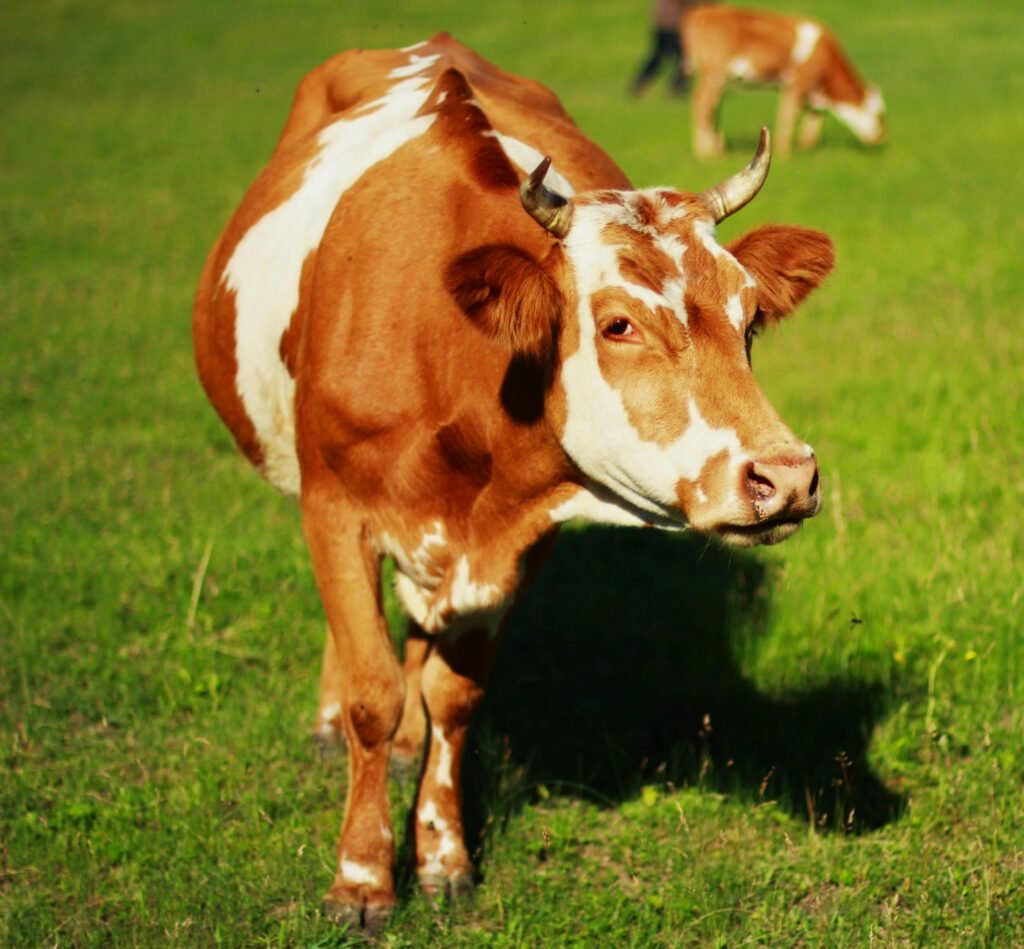
Then, I moved to Chiba together with my husband in 2020 right before COVID. In my area and other areas in the country side, the houses mostly have well water. Well water is mostly hard water here and it has to be treated for bacteria every three months. The only upside to this is that we don’t have any water bills. However, the downsides are numerous. We happen to live in a big farming area with livestock and crop growing farmers, and unfortunately there’s a big issue all over the city with nitrates in the drinking water. Nothing like getting tons of cow fun in your water.
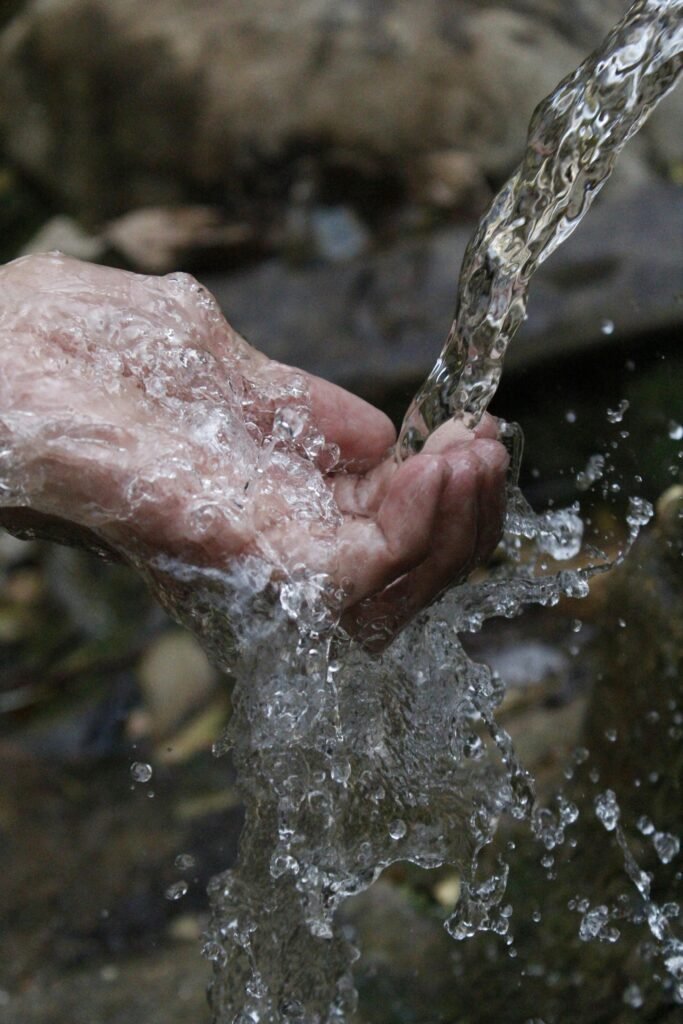
As soon as my husband and I moved here, my mother suggested to get the water tested as soon as we moved here and I’m so thankful that I did. The lab that tested our water sent us the results of everything in the water. I paid about 8,000 yen to get the water tested, but I’m sure it costs more now to do it. When I got the results back, I learned that the water was way over the limit in nitrates, which can cause a congenital heart defect called blue baby syndrome. I was about 8 months pregnant when I learned this and I wasn’t taking any chances with the drinking water. I think I tried it boiled once before I knew what was in the water and then never again because it tasted so bad. From then on, I only used bottled water until we had the Reverse Osmosis Filter installed in our house with the filter needing to be replaced once a year. Luckily, our city hall office (or maybe not so lucky) gives their residents a big 50% discount if you can prove that the water in your house is unsafe for human consumption.
With regards to my teeth, I started visiting a holistic dental office in Chiba. For Japan, these types of practices are still rare because the government will not cover any holistic practices in health care. So, my teeth cleanings are more expensive than your average dental visit and the head dentist at the particular practice I go to has had training overseas. Getting any sort of holistic training is not available in Japan so dentists or other practitioners in holistic medicine have to receive overseas training and many regular dentists prefer to just receive training in Japan. However, I always hope things will change in the future.
The way I keep my teeth healthy in Japan is by:
- Only use filtered water or bottled water to brush my teeth.
- Brush my teeth with Alkalizing toothpaste to lower the pH of my mouth. The brand I use is bubble and bee, which I stock up on when I go back to the US or send to a 3rd party shipping company.
- Maintain dental visits every few months.
Overall, the water is considered to be safe in Japan, but to reiterate, if you move here for the long term, consider having a lab in your local prefecture check for any issues with your water.
Check out my previous post on alternative soy sauces in Japan.

allelifejapan.com
I'm just a mom living out in the Japanese inaka. I have been gluten-free for over 6 years and I was paleo before having a baby. I want to share my tips and tricks on how to survive out here where there's gluten all around you. I also want to write about more holistic living options for people who want to step out of the existing system.